Unearthing Your Roots: A Journey Through Ancestral History and Family Heritage
Have you ever looked at an old family photo and wondered about the stories behind the faces? Our families are like intricate tapestries, each thread woven together to create a vibrant picture of who we are today. As we delve into the art of ancestral history, we embark on a thrilling journey of genealogical research that not only uncovers our personal family heritage but also connects us with the broader strokes of historical ancestry. By exploring our familial connections, we can reveal the rich and diverse narratives that shaped our ancestors' lives and, ultimately, our own.
The quest for family genealogy can often feel daunting, filled with unanswered questions and elusive ancestry records. But where there is curiosity, there is a path to be forged. What if I told you that those dusty records at the local archive could unlock not just names but entire histories? Imagine discovering a forebear story that enriches your understanding of your own cultural heritage. Engaging in family lineage mapping allows us to visualize our ancestral lineage, connecting dots that span generations. Each name we uncover brings promise and intrigue—a breadcrumb leading us deeper into our past.
Consider this: every ancestor you trace was once navigating the trials and tribulations of life, much like us. They had dreams, faced obstacles, and made choices that paved the way for who we are today. The stories of your progenitors aren't just historical facts; they're tales of resilience and triumph that deserve to be told. Through the practice of heritage research, we do more than just document our family background; we breathe life into the experiences of those who came before us. We become storytellers, weaving their experiences into the fabric of our own lives.
As we continue to journey through our family's past, it becomes essential to recognize the significance of generational history in shaping our identities. Each time we engage in ancestry tracing, we create connections—not only to our ancestors but also to the history that binds us to different cultures and communities. Have you ever met someone from a different corner of the world and felt an inexplicable bond? Perhaps it’s because, on some level, our journeys may have intertwined long ago. By understanding the lifestyle and values of our forebears, we uncover deeper insights into our own lives and choices, enriching our present with lessons from the past.
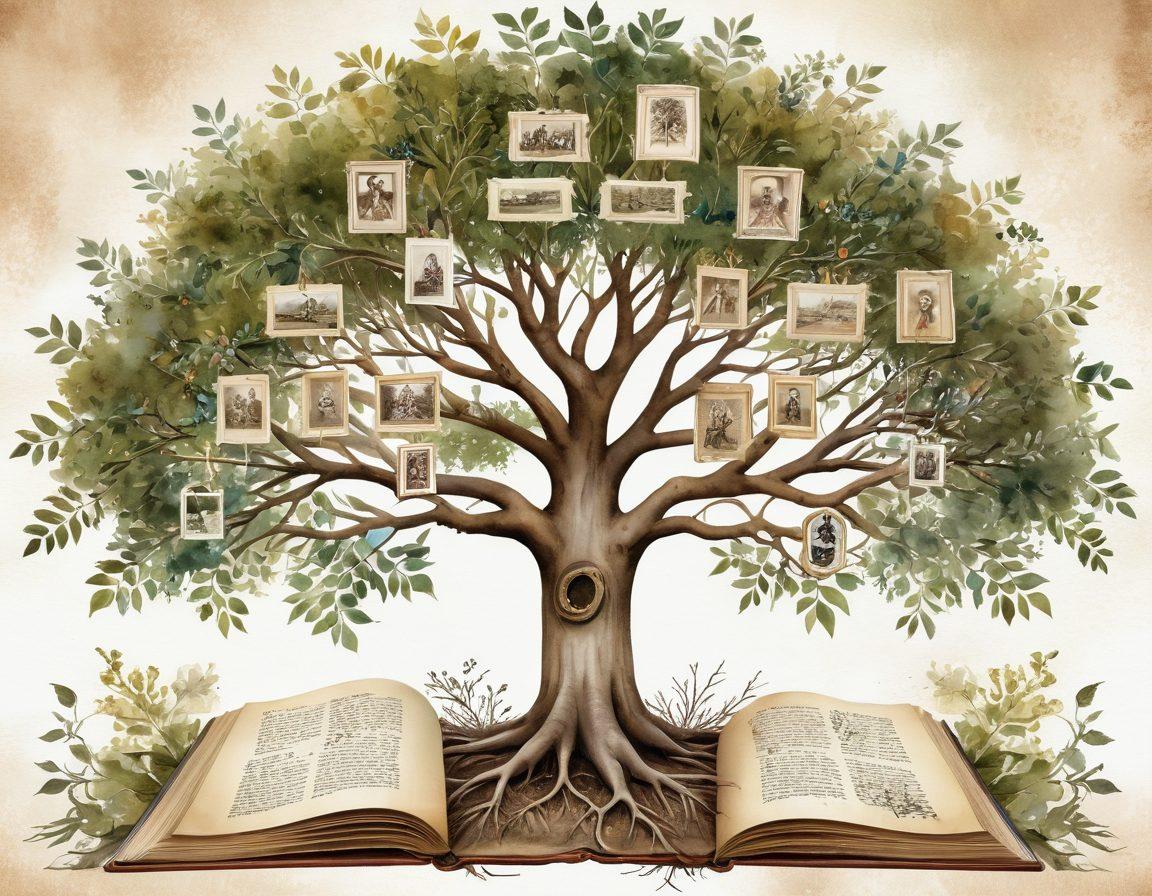
So how do you begin your own adventure into the world of ancestral history? Start by interviewing family members, drawing parallels in their recollections, and seeking out family treasures like letters or heirlooms that harbor heritage stories. Dive into ancestry records, carefully documenting the branches of your family tree while enjoying each discovery. As you immerse yourself in your lineage, remember: every detail, no matter how small, contributes to the magnificent mosaic of your family's story. Enjoy the art of ancestor tracing and embrace the journey of uncovering the wonderful tapestry of your family.
Mapping Your Lineage: A Deep Dive into Family Genealogy
Do you ever find yourself pondering where you came from? The stories whispered through family gatherings, the photographs hidden in old albums, and the names etched into family trees can spark a yearning to explore your ancestral history more deeply. Mapping your lineage is not just peeling back the layers of time; it's like embarking on a treasure hunt for your family's identity. It’s fascinating to think about how many stories lie behind each branch just waiting to be uncovered. What if the journey into your family genealogy could not only reveal the names and dates but also awaken the rich heritage stories that formed the very foundation of who you are?
Engaging in genealogical research allows us to weave together the threads of our past, creating tapestries of familial connections that link us to our ancestors. It's a journey akin to detective work, as we sift through ancestry records, documents, and oral histories. Have you ever felt the thrill of discovering an ancestor who was a pioneer, a war hero, or an ordinary person living in extraordinary times? With each piece of progenitor information gathered, you may find yourself not only learning about your family background but also embracing and celebrating the essence of your lineage mapping.
What makes family genealogy so captivating is the stories behind the people—our forebears. Picture them living their lives, making choices, and facing challenges in a world far removed from our own. Anglo-Saxon roots, immigrant tales, or indigenous histories—all contribute to who we are today. Each generation carries forward the legacy of cultural heritage, and as you look through dusty pages of old journals or modern databases, you're not just tracing ancestry; you're digging into the very heart of generational history. How thrilling it is to discover that your great-great-grandparent hails from a village in Italy, or even find out that you share a surprising connection to a well-known historical figure!
As you embark on your journey of ancestor tracing, remember that it’s not solely about assembling a family tree. It's about understanding the broader context of your family's story. Take pauses to reflect on the values and traditions passed down through generations. Perhaps there are customs that your family has preserved, echoing back through time. This heritage research can lead to rewarding emotional discoveries, revealing how our predecessors' resilience shapes our modern identities. Could there be lessons hidden in their experiences that can guide you today?
So, how can you begin this deep dive into family genealogy? Start by gathering what you know—talk to your relatives, jot down family connections, and utilize social media to connect with distant cousins. Platforms like Ancestry.com, FamilySearch, and MyHeritage can provide amazing resources to facilitate your exploration of historical ancestry. Don't underestimate the power of local libraries or historical societies; they often house rich repositories of documents and records. Remember, tracing your ancestry isn't just about knowing where you came from—it's about understanding who you are. Will you share your findings and inspire future generations to continue the lineage mapping journey?
Connecting the Dots of Heritage: Tracing Your Ancestral Roots
Have you ever wondered who your ancestors were? The stories they could tell? The lives they lived? Connecting the dots of heritage by tracing your ancestral roots can be an enlightening journey, one that not only helps you understand your family's past but also shapes your present and future. The tapestry of our lives is often intricately woven with the threads of our ancestors' experiences, and diving into ancestral history can reveal the rich heritage stories that define our family lineage.
Picture this: you uncover an old trunk in your attic, filled with dusty letters and faded photographs of forebears you never knew existed. As you sift through these treasures, each artifact carries whispers of your family's ancestral lineage. There's something magical about genealogical research; it's like piecing together a colossal jigsaw puzzle of family genealogy that tells the story of your family's resilience, struggles, and triumphs. Have you got old family photos or letters? What stories do they hold?
To embark on this journey of ancestry tracing, the first step is to delineate your family background. Start by listing known family members, significant dates, and events. This forms the backbone of your historical ancestry project. From here, the task of lineage mapping begins—research birth and death records, marriage certificates, and census data. Online databases have made accessing ancestry records easier than ever. Yet, it's essential to remember that every name you uncover carries a legacy and a history worth exploring.
As you dig deeper into your family's history, you'll likely encounter fascinating familial connections that reveal the cultural heritage that has shaped your identity. Perhaps you’ll discover that your great-great-grandfather was a storyteller in his village or that your grandmother immigrated seeking a better life. These heritage stories are pivotal; they not only serve as a reminder of where you came from but also inspire your outlook on life. What did you learn from your ancestors that you still carry with you today?
Remember, tracing your ancestral roots does not merely satiate an academic curiosity; it instills a profound understanding of the sacrifices made by those who came before you. As you explore your generational history, think of it as a journey not just to honor them but to utilize their experiences to inform and enrich your own life. So take that first step: engage in heritage research, tap into the stories behind the names, and connect with your history. After all, in the words of author Maya Angelou, 'We are more alike, my friends, than we are unalike.' Digging into your roots shows that, indeed, that sentiment rings true.